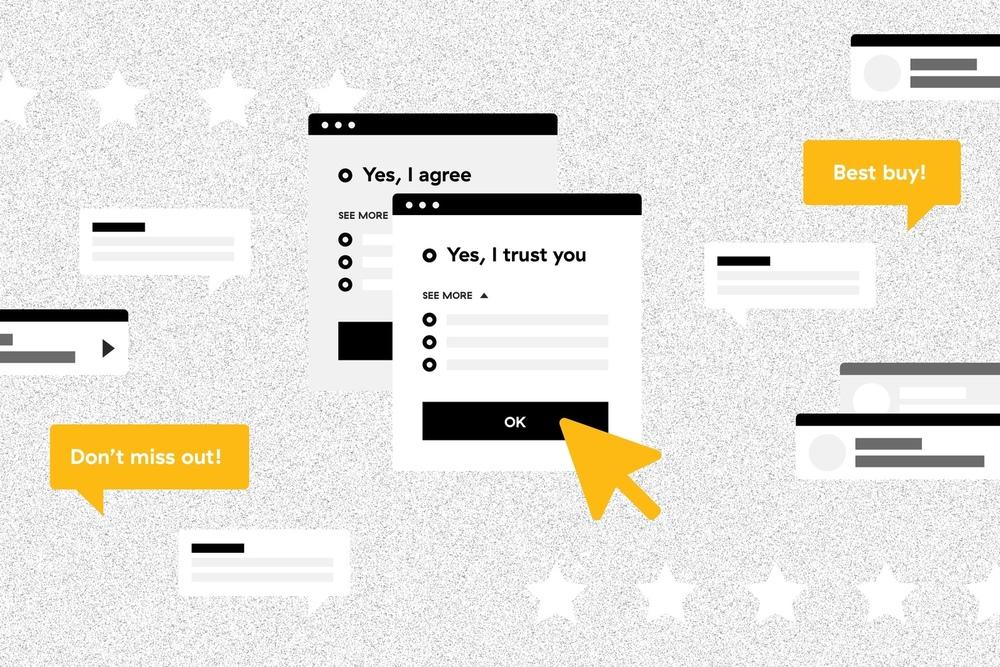
In today’s digital world, user experience (UX) plays a crucial role in shaping how customers interact with websites and applications. However, not all UX strategies are ethical. Some companies deliberately design interfaces to manipulate users into making decisions they might not otherwise choose. These deceptive tactics are known as Dark Patterns, and they are increasingly coming under legal scrutiny.
What Are Dark Patterns?
Dark Patterns refer to design practices that trick or manipulate users into taking unintended actions. These can include subscribing to services unknowingly, sharing personal data, or making purchases without clear consent. While these techniques may boost short-term conversions, they often damage trust and can lead to serious legal consequences.
According to research by the Electronic Frontier Foundation, deceptive design practices undermine user autonomy and violate privacy rights. Businesses must understand that user trust is more valuable than quick gains.
Common Types of Dark Patterns
There are several types of Dark Patterns commonly used in digital marketing:
1. Hidden Costs
Extra charges are revealed only at the final checkout stage. This frustrates users and creates a sense of deception. The Federal Trade Commission has warned businesses against such misleading pricing strategies.
2. Forced Continuity
Users sign up for a free trial but are automatically charged without clear notification. This is one of the most criticized Dark Patterns in subscription-based services.
3. Confirmshaming
This tactic uses guilt to influence decisions. For example, a pop-up might say, “No thanks, I don’t want to save money.” Such messaging pressures users into agreeing.
4. Roach Motel
It’s easy to sign up but extremely difficult to cancel. This unethical design keeps users trapped, raising both ethical and legal concerns.
5. Misdirection
Design elements intentionally distract users from important information. For instance, making the “accept” button more visible than the “decline” option.
You can explore more examples from Nielsen Norman Group, which provides in-depth UX research and insights.
Why Dark Patterns Are Becoming Illegal
Governments and regulatory bodies are now actively taking action against Dark Patterns. These practices are no longer just unethical—they are becoming illegal in many regions.
In India, the government has introduced guidelines to protect consumers from deceptive digital practices. The Ministry of Consumer Affairs has classified several Dark Patterns as unfair trade practices. Similarly, the European Union’s GDPR laws emphasize transparency and user consent.
The main reasons for legal action include:
- Violation of user consent
- Misuse of personal data
- Lack of transparency
- Unfair competition
These regulations clearly show that using Dark Patterns can lead to fines, lawsuits, and brand damage.
Impact on Businesses
While Dark Patterns may seem effective in increasing conversions, they often backfire in the long run. Users today are more aware and value transparency. Once trust is broken, it is difficult to rebuild.
Negative impacts include:
- Loss of customer trust
- Increased bounce rates
- Poor brand reputation
- Legal penalties
According to insights shared by Harvard Business Review, ethical design is directly linked to long-term customer loyalty and business sustainability.
Ethical UX: The Better Alternative
Instead of relying on Dark Patterns, businesses should focus on ethical UX practices that prioritize user needs and transparency. Ethical design builds trust, improves user satisfaction, and ensures compliance with regulations.
Here are some best practices:
Clear Communication
Always provide accurate and honest information. Avoid hiding important details in fine print.
Easy Opt-Out Options
Make it simple for users to unsubscribe or cancel services. Transparency enhances credibility.
User-Centric Design
Design interfaces that genuinely help users achieve their goals without manipulation.
Transparent Pricing
Clearly display all costs upfront. This reduces frustration and increases trust.
Resources like Interaction Design Foundation offer valuable guidance on creating ethical user experiences.
Real-World Examples
Several major companies have faced backlash for using Dark Patterns. In some cases, legal action has been taken due to deceptive subscription models and misleading interfaces. These incidents highlight the growing importance of ethical UX.
Consumers are now more informed and are quick to call out unethical practices on social media. This makes it even more important for brands to avoid Dark Patterns and adopt transparent strategies.
The Future of UX and Regulation
The future of UX design is shifting towards ethical and user-friendly practices. Governments worldwide are tightening regulations to ensure fair digital environments. Businesses that continue using Dark Patterns risk falling behind both legally and reputationally.
Emerging trends include:
- Stronger data protection laws
- Increased user awareness
- AI-driven ethical design checks
- Greater accountability for companies
Organizations like the World Wide Web Consortium (W3C) are also working on standards to promote fair and accessible web design.
Dark Patterns may offer short-term gains, but they come with long-term risks. As legal frameworks evolve, businesses must rethink their UX strategies and prioritize transparency and trust. Ethical design is no longer optional—it is essential for sustainable growth.
By avoiding Dark Patterns and focusing on honest user experiences, companies can build stronger relationships with their audience and stay compliant with modern regulations. In the end, trust is the most powerful marketing tool any brand can have.