
October 30, 2025
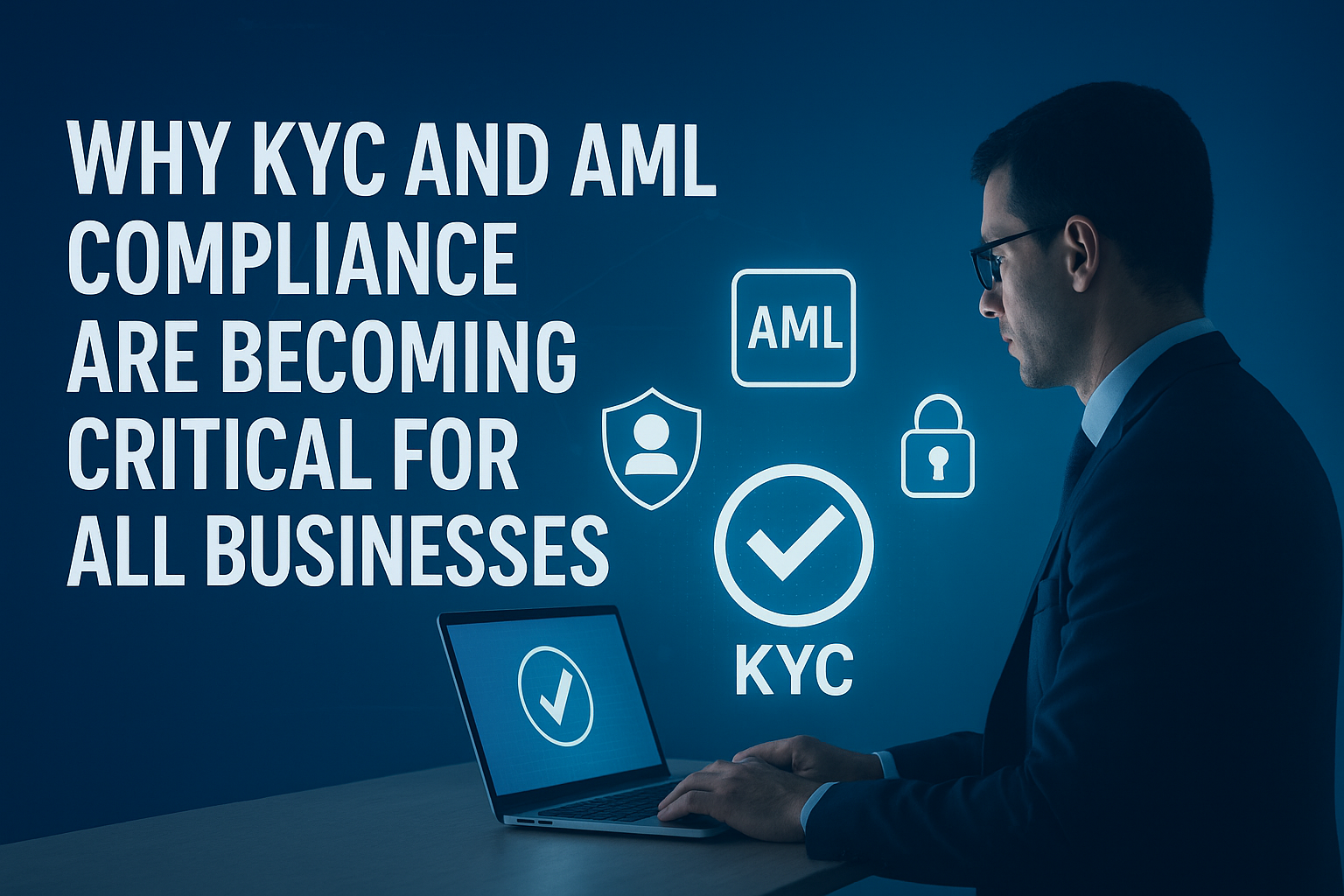
In today’s fast-paced digital world, KYC and AML compliance have become essential for maintaining transparency, integrity, and consumer trust across industries. With financial crimes and online fraud on the rise, businesses can no longer afford to overlook compliance regulations. Whether it’s a fintech startup, e-commerce platform, or multinational enterprise, adhering to compliance frameworks is vital for long-term credibility and sustainability.
Global Push for KYC and AML Compliance
Regulatory bodies across the globe have tightened their Know Your Customer (KYC) and Anti-Money Laundering (AML) policies to protect the financial system from misuse. These measures require businesses to verify customer identities, monitor transactions, and report suspicious activities.
Organizations such as the Financial Action Task Force (FATF) and the World Bank’s AML initiatives play a crucial role in shaping global standards for financial transparency and accountability.
Why Businesses Can’t Ignore Compliance
-
Regulatory Penalties: Failing to follow KYC and AML compliance rules can lead to heavy fines, license suspension, and even criminal prosecution.
-
Building Customer Confidence: Compliance enhances brand reputation and reassures customers that their data and money are protected.
-
Fraud Prevention: Automated KYC systems help businesses detect and prevent fraudulent transactions in real-time.
-
Operational Efficiency: Leveraging AI and digital identity verification tools reduces manual workload and enhances compliance accuracy.
KYC and AML Compliance in India
In India, the Reserve Bank of India (RBI) and the Financial Intelligence Unit (FIU-IND) have implemented strict regulations to ensure that financial institutions, NBFCs, and fintech companies comply with due diligence norms.
The focus on KYC and AML compliance now extends beyond traditional banking—covering cryptocurrency exchanges, digital lenders, and e-wallet providers. To help businesses navigate these evolving laws effectively, In House Legal Solutions offers expert legal advisory and compliance guidance tailored for Indian and global businesses.
Future Outlook: Technology-Driven Compliance
The future of KYC and AML compliance lies in automation and innovation. Artificial intelligence (AI), blockchain verification, and biometric identification are transforming the way businesses manage compliance. These technologies not only streamline verification processes but also reduce the risk of human error, making financial systems more secure and efficient.
As global regulatory standards evolve, businesses that prioritize KYC and AML compliance are better positioned to build trust, reduce risks, and ensure sustainable growth. In a compliance-driven world, staying ahead isn’t just about following the law—it’s about protecting your brand and customers in a digital-first economy.

Rinu Ann George is an SEO Analyst at Upgraderz,Specializing in Search Engine Optimization,Content Strategy and Digital Visibility.