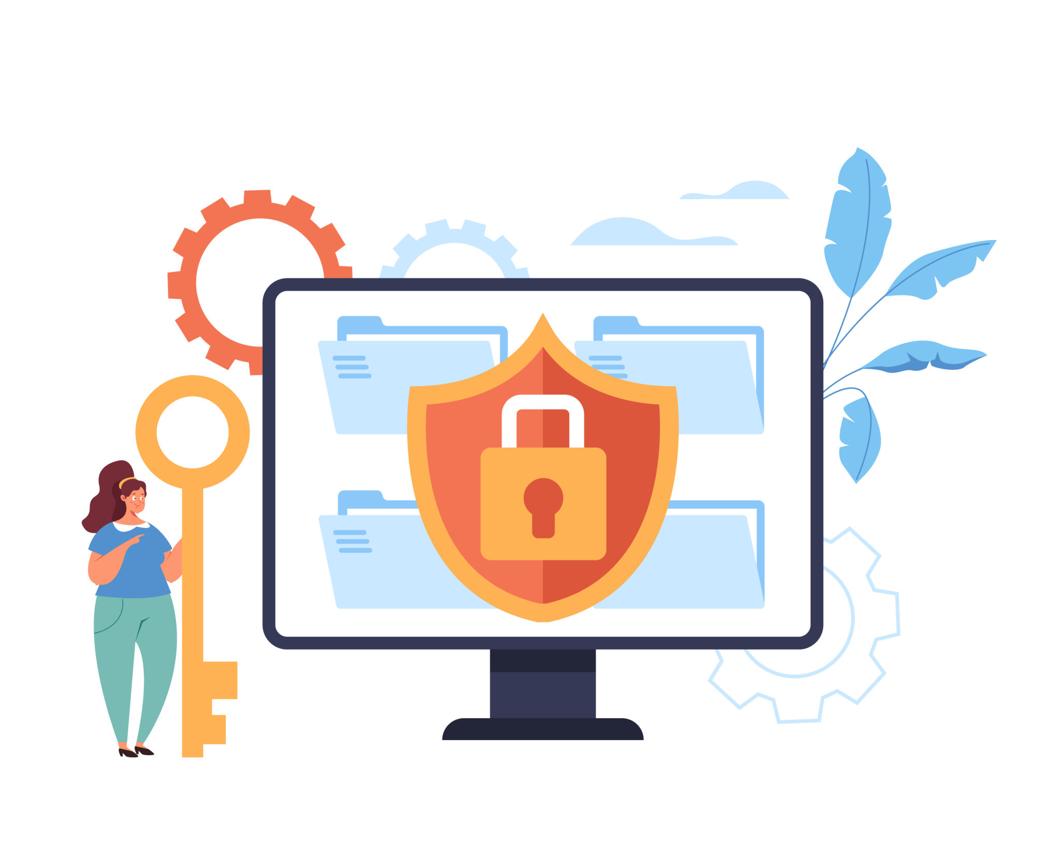
In today’s digital landscape, building a website is not just about aesthetics and performance. It’s equally important to ensure that your website is Legally compliant while also being optimized for conversions. Many businesses invest heavily in design and marketing but ignore the legal side, which can lead to penalties and loss of trust. A properly structured website that is both compliant and conversion-focused helps establish credibility and long-term success.
Understanding the Importance of Legal Compliance
Creating a website that functions Legally is essential for protecting both your business and your users. Legal compliance ensures that your website follows necessary regulations related to data protection, privacy, and online transactions. For example, understanding global standards such as GDPR is critical, and you can explore detailed guidelines at to better understand how user data should be handled.
Ignoring these requirements can lead to fines, lawsuits, and even the shutdown of your website. A compliant website also signals professionalism, which plays a major role in gaining user trust and improving engagement.
Essential Legal Pages You Must Include
Every website must include certain legal pages to operate Legally and responsibly. These pages clearly define how your website interacts with users and protects your business from liability.
The most important pages include:
- Privacy Policy explaining how user data is collected and used
- Terms and Conditions outlining user responsibilities
- Cookie Policy informing users about tracking technologies
- Disclaimer limiting your legal liability
If you are unsure how to create these pages, you can use tools like privacypolicies to generate templates that meet industry standards.
Data Protection and Privacy Practices
One of the most critical aspects of running a website Legally is ensuring proper data protection. Users today are highly concerned about how their personal information is used, so transparency is essential.
Always collect only the data you need and clearly explain its purpose. Implementing SSL encryption is a must, and you can test your website’s security through to ensure your data transmission is secure.
Additionally, provide users with options to manage their data and include consent checkboxes in forms. These practices help you remain compliant while also building trust with your audience.
Accessibility and User Inclusivity
Accessibility is an often-overlooked aspect of website development, yet it is necessary to operate Legally in many countries. Making your website accessible ensures that users with disabilities can interact with your content effectively.
Following the Web Content Accessibility Guidelines (WCAG) is a good starting point, and you can learn more about these standards at . Features like screen reader compatibility, proper contrast ratios, and keyboard navigation significantly improve usability.
An accessible website not only meets legal standards but also broadens your audience, contributing to better engagement and conversions.
Building Trust Through Transparency
Trust plays a crucial role in converting visitors into customers. A transparent and Legally compliant website reassures users that their information is safe and that your business is reliable.
Include visible trust signals such as secure payment badges, customer reviews, and clear contact details. Platforms like can help you display genuine customer feedback, enhancing your credibility.
When users feel secure and informed, they are more likely to engage with your content and complete desired actions.
Conversion Optimization Strategies
While maintaining a Legally compliant structure, your website should also be optimized for conversions. A well-designed user journey ensures visitors can easily navigate your site and take action.
Focus on:
- Clear and compelling call-to-action buttons
- Fast-loading pages
- Mobile-friendly design
- Simple and intuitive navigation
To evaluate your website performance, tools like can provide insights into speed and usability improvements.
Balancing compliance with user experience ensures your website is both effective and trustworthy.
Secure Payment Integration
For e-commerce websites, secure payment systems are essential to operate Legally and gain user confidence. Payment processing must follow strict security protocols to protect financial information.
Using reliable platforms such as ensures that your transactions are encrypted and compliant with global standards.
A secure checkout process not only prevents fraud but also increases the likelihood of completed purchases.
Regular Monitoring and Updates
Maintaining a website is an ongoing process. To stay Legally compliant, you must regularly update your policies and security measures. Laws and digital practices change frequently, so staying informed is critical.
You can monitor your website for vulnerabilities using tools like sucuri.net, which helps identify and fix potential security issues.
Regular updates ensure your website remains secure, functional, and aligned with current regulations.
Building a website that is both Legally safe and high-converting requires careful planning and consistent effort. It involves integrating compliance into every stage of development, from design to functionality.
By including essential legal pages, protecting user data, ensuring accessibility, and optimizing for conversions, you create a platform that users can trust. When your website operates Legally, it not only avoids risks but also enhances your brand reputation and encourages user engagement.
Ultimately, a well-balanced approach to compliance and performance will help your website stand out in a competitive digital environment while driving sustainable growth.
Chinnu Sunny
- Chinnu Sunny
- Chinnu Sunny
- Chinnu Sunny