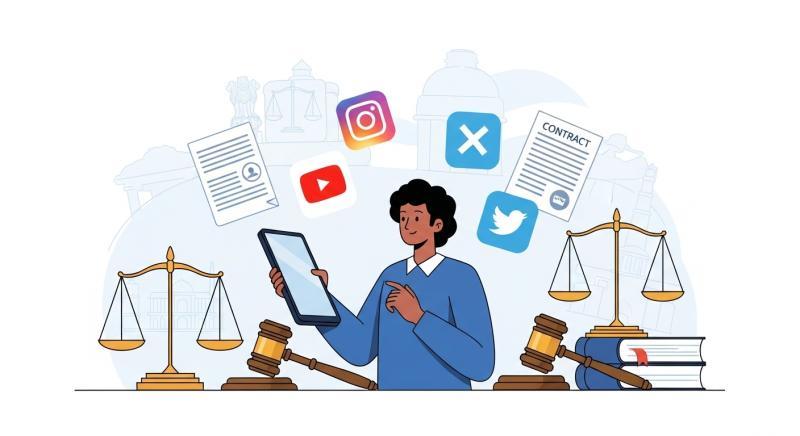
In today’s fast-moving digital world, influencer marketing has become one of the most powerful tools for brands. From startups to global companies, everyone is partnering with influencers to reach wider audiences. However, with this growth comes a serious challenge—Lawsuits are increasing rapidly, and many brands still fail to understand the legal risks involved.
This blog explores the key legal mistakes brands continue to make and how they can avoid getting caught in costly Lawsuits.
The Rise of Influencer Marketing and Legal Risks
Influencer marketing is no longer just a trend—it’s a billion-dollar industry. Platforms like Instagram, YouTube, and TikTok have created a space where influencers can directly impact consumer decisions. But as the industry grows, so do legal complications.
Many brands assume influencer collaborations are simple agreements, but in reality, poor planning can lead to serious Lawsuits. These legal disputes often arise due to unclear contracts, misleading promotions, or non-compliance with advertising laws.
Lack of Clear Contracts
One of the biggest mistakes brands make is not creating detailed contracts. A vague agreement can easily lead to misunderstandings about deliverables, timelines, or payments.
Without clear terms, influencers may not fulfill expectations, and brands may withhold payments—both situations often end in Lawsuits. Contracts should always include:
- Scope of work
- Payment structure
- Content ownership rights
- Termination clauses
A strong contract protects both parties and reduces legal risks.
Ignoring Disclosure Guidelines
Transparency is crucial in influencer marketing. Many countries require influencers to disclose paid partnerships clearly. When brands ignore these rules, they risk facing Lawsuits and penalties.
Failing to label sponsored content properly can mislead audiences and violate consumer protection laws. For example, using hashtags like #ad or #sponsored is often mandatory.
Misleading Advertising Claims
Another common issue is exaggerated or false claims in influencer promotions. Brands sometimes encourage influencers to highlight benefits that are not fully accurate.
This can result in customer complaints, reputational damage, and eventually Lawsuits. For example, promoting unrealistic health benefits or fake product results can trigger legal action.
Brands must ensure that all claims are truthful and supported by evidence.
Not Defining Content Ownership
Who owns the content created by influencers? Many brands fail to clarify this in their agreements.
Without proper ownership clauses, brands may reuse content without permission, leading to disputes and Lawsuits. Influencers also have the right to control how their content is used.
To avoid issues, always define:
- Usage rights
- Duration of usage
- Platforms where content will appear
Overlooking Intellectual Property Rights
Using copyrighted music, images, or logos without permission is another major legal mistake. Influencers often use third-party content, but brands are equally responsible.
This can quickly lead to Lawsuits from copyright holders. Brands should ensure that all content used in campaigns complies with intellectual property laws.
You can learn more about copyright basics here:
Poor Vetting of Influencers
Not all influencers are trustworthy. Some may have fake followers, controversial histories, or unethical practices.
Partnering with such influencers can damage a brand’s reputation and even result in Lawsuits if misleading data or fraud is involved.
Brands should always:
- Check engagement authenticity
- Review past content
- Analyze audience demographics
Non-Compliance with Regional Laws
Different countries have different advertising and consumer protection laws. A campaign that works in one region may violate rules in another.
Ignoring these differences can expose brands to international Lawsuits, which are often more complex and expensive. Brands must research local regulations before launching campaigns.
Failure to Monitor Campaigns
Many brands assume their job ends after hiring an influencer. But failing to monitor content can lead to compliance issues.
If an influencer posts misleading or inappropriate content, the brand can still be held responsible. This lack of oversight often results in Lawsuits and legal notices.
Brands should actively review and approve content before and after posting.
Delayed or Disputed Payments
Payment conflicts are another major cause of disputes. Influencers expect timely payments as per agreements, and delays can damage relationships.
If issues escalate, they may lead to Lawsuits, especially when contracts are unclear. Brands should maintain transparency and honor payment terms.
How Brands Can Avoid Legal Trouble
To reduce the risk of Lawsuits, brands should adopt a proactive approach:
- Always use detailed written contracts
- Follow advertising and disclosure guidelines
- Verify influencer credibility
- Ensure legal compliance across regions
- Monitor campaigns regularly
Investing in legal consultation before launching campaigns can save brands from major losses later.
Influencer marketing offers incredible opportunities, but it also comes with legal responsibilities. As the industry evolves, Lawsuits are becoming more common, especially for brands that overlook basic legal practices.
By understanding the common mistakes and taking preventive measures, brands can protect themselves and build successful, long-term partnerships with influencers.
Ignoring these risks is no longer an option—because in today’s digital landscape, even a small mistake can lead to costly consequences.
Chinnu Sunny
- Chinnu Sunny
- Chinnu Sunny
- Chinnu Sunny