
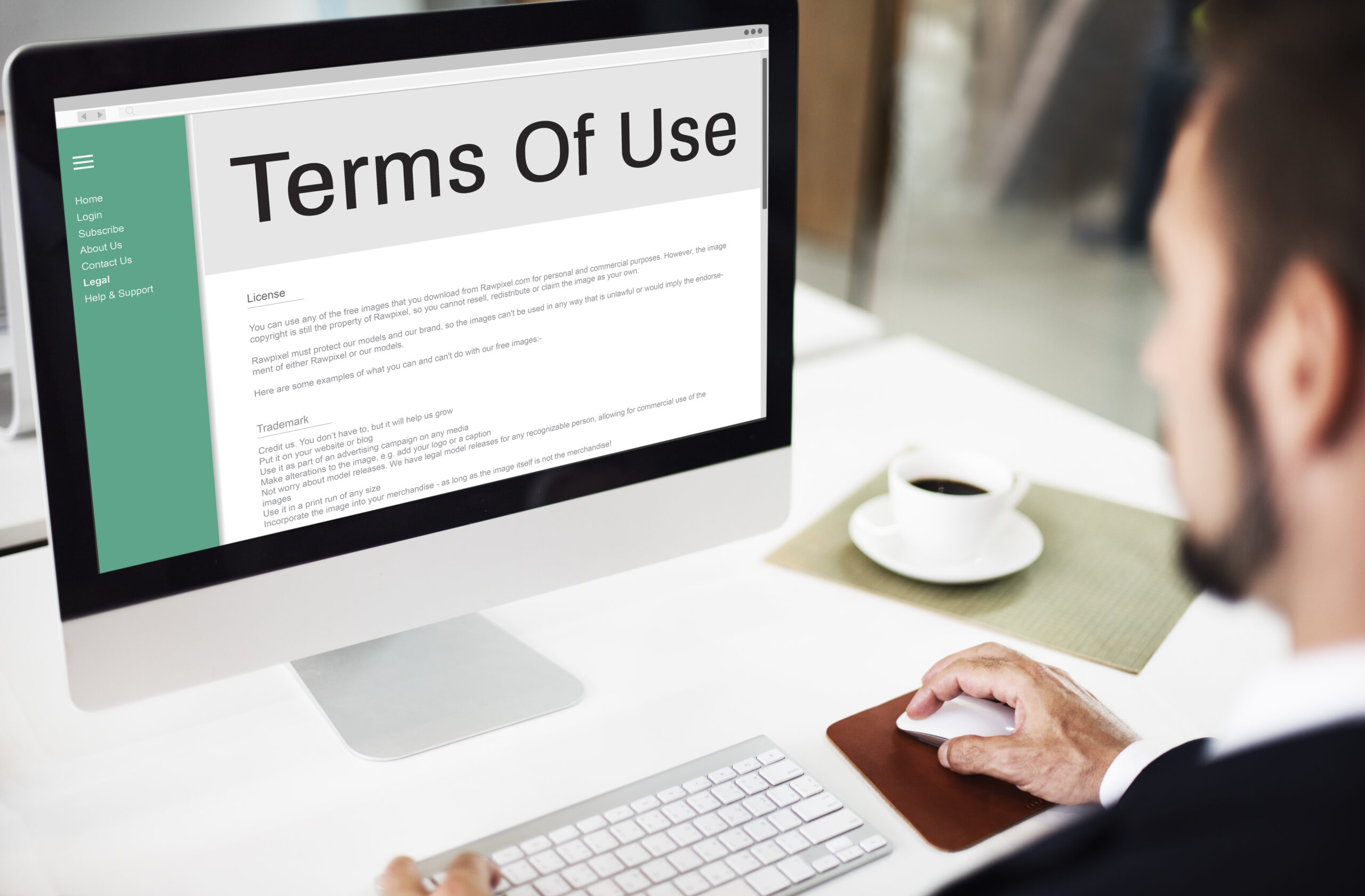
In today’s digital world, every business website needs more than just attractive design and quality content. One of the most overlooked yet essential legal pages is a Terms & Conditions Page. Whether you run an eCommerce store, service website, blog, or startup platform, skipping this page can expose your business to serious legal and operational risks.
A professionally built website with proper legal pages creates trust and protects your brand. Businesses investing in secure and user-friendly web solutions through services like website design and development services often understand the importance of having a strong Terms & Conditions Page from day one.
What Is a Terms & Conditions Page
A Terms & Conditions Page is a legal agreement between your business and the users visiting your website. It explains the rules, limitations, responsibilities, and acceptable use of your website or services.
This page typically includes:
-
- User responsibilities
- Payment and refund policies
- Intellectual property rights
- Account termination clauses
- Limitation of liability
- Governing law information
Without these protections, businesses may face disputes with little legal support.
Why Every Business Needs a Terms & Conditions Page
Many small businesses assume they only need privacy policies. However, a Terms & Conditions Page plays a completely different role. It protects your business from misuse, misunderstandings, and legal complications.
Here are the major reasons why it matters.
Protects Your Business Legally
Without a clear Terms & Conditions Page, customers may challenge your policies or misuse your services. If disputes arise, your business may struggle to prove its rights or limitations.
For example:
-
- Customers may demand refunds beyond your policy
- Users may copy your content without permission
- Fake accounts or spam activities can affect operations
A proper agreement gives you legal standing and defines acceptable behavior.
According to TermsFeed, terms and conditions help businesses reduce liability risks and maintain legal control over website usage.
Builds Customer Trust
Modern customers expect professional websites to include legal pages. When visitors cannot find a Terms & Conditions Page, it may create doubts about credibility and transparency.
Trust is especially important for:
-
- Online stores
- SaaS companies
- Membership platforms
- Freelance businesses
- Agencies
Having clear policies reassures users that your business operates professionally and responsibly.
Helps Prevent Abuse and Fraud
Websites often deal with spam accounts, abusive comments, fake transactions, or unauthorized use of content. A Terms & Conditions Page gives you the authority to restrict or terminate accounts that violate your rules.
This is essential for:
-
- Online communities
- Subscription services
- eCommerce websites
- Educational platforms
Without clear terms, taking action against abusive users becomes more difficult.
Protects Your Intellectual Property
Your website content, branding, images, videos, logos, and designs are valuable business assets. A Terms & Conditions Page clearly states that these assets belong to your business and cannot be copied without permission.
This protection is important because digital content theft is common today. According to World Intellectual Property Organization (WIPO), intellectual property rights are essential for protecting online businesses and digital assets.
Reduces Legal Disputes
Legal disputes are expensive and time-consuming. A properly written agreement can reduce misunderstandings before they become major problems.
Your terms can explain:
-
- Return policies
- Service limitations
- User obligations
- Billing conditions
- Delivery timelines
When expectations are clear, conflicts are less likely to occur.
What Could Happen Without a Terms & Conditions Page
Many businesses ignore legal pages until problems arise. Unfortunately, by then the damage may already be significant.
Here are some real risks businesses face without proper terms.
Financial Losses
Customers may dispute payments, request refunds unfairly, or misuse services without consequences. Without written terms, businesses may struggle to defend themselves.
Increased Legal Vulnerability
A missing Terms & Conditions Page can weaken your legal position in disputes involving customers, copyright issues, or service misuse.
Reputation Damage
Customers often view missing legal pages as unprofessional. This can reduce confidence in your brand and lower conversion rates.
Difficulty Managing Users
Without clear rules, suspending abusive users or removing harmful content becomes complicated.
Compliance Challenges
While terms and conditions may not always be legally mandatory, many online platforms and payment processors recommend or expect them.
For example, Shopify Help Center advises online store owners to create clear legal policies to improve transparency and reduce disputes.
Essential Elements of a Strong Terms & Conditions Page
A high-quality Terms & Conditions Page should be tailored to your business model. Avoid copying generic templates blindly.
Key sections include:
User Responsibilities
Explain what users can and cannot do on your website.
Payment and Refund Policies
Clearly mention billing terms, cancellation rules, and refund conditions.
Intellectual Property Rights
Protect your brand assets and content from unauthorized use.
Limitation of Liability
Reduce your responsibility for technical issues, errors, or third-party services.
Governing Law
Mention which country or state laws apply to disputes.
Account Suspension Rights
Reserve the right to remove accounts violating your policies.
Is a Terms & Conditions Page Legally Required
In many countries, a Terms & Conditions Page is not always legally mandatory like a privacy policy. However, it is strongly recommended because it acts as a legal safeguard for your business.
Without one, your business may rely entirely on general consumer laws, which may not favor your specific operational needs.
Professional legal guidance is often the safest approach when creating business website policies.
A Terms & Conditions Page is far more than just another website section. It protects your business, builds trust, reduces disputes, and helps establish clear expectations with users.
In 2026, businesses without proper legal pages risk losing credibility and exposing themselves to unnecessary legal and financial problems. Whether you run a startup, online store, or service company, investing in strong website policies is a smart long-term decision.
Businesses that combine professional web development with proper legal structure are better positioned for growth, trust, and long-term success online.

Rinu Ann George is an SEO Analyst at Upgraderz,Specializing in Search Engine Optimization,Content Strategy and Digital Visibility.